

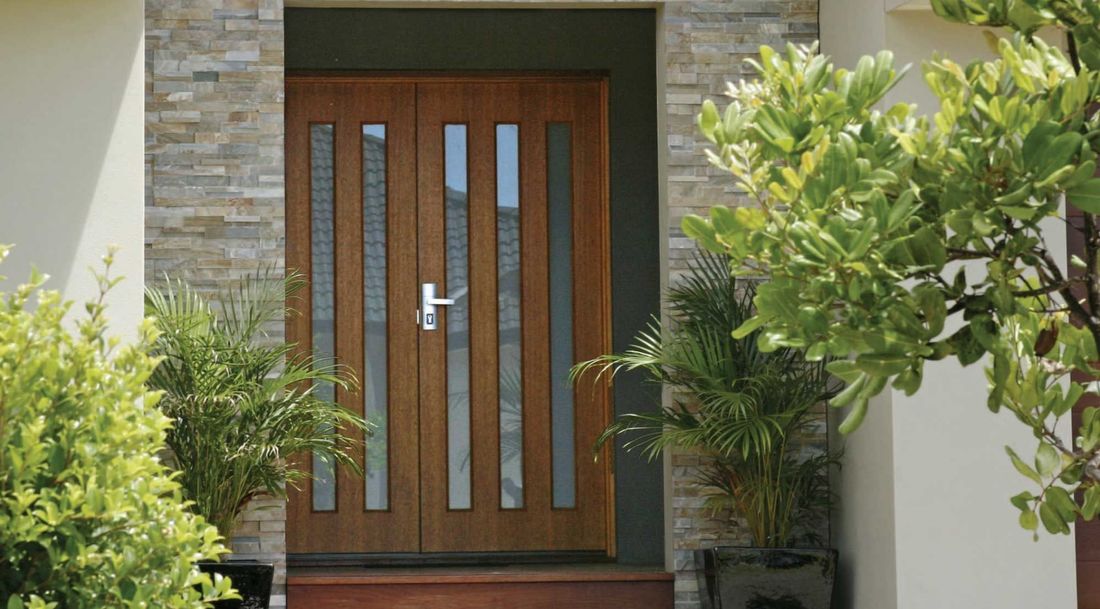
Your front door does a lot of work. It keeps your home secure, helps hold in warmth during a chilly Melbourne winter, and is one of the first things visitors notice when they walk up the path.
If your current door is tired, damaged or simply outdated, knowing how to install front doors properly makes all the difference. A well-fitted door swings smoothly and closes firmly for years. A poorly fitted one sticks, drags, rattles or lets in draughts.
This guide walks you through the full process, from choosing the right door to fitting the final hardware, so you know exactly what's involved before you pick up a tool.
Before You Start: Choosing the Right Front Door
Not every door is built for an external opening. Front doors generally come in three construction types:
- Hollow core: lightweight and affordable, but better suited to internal rooms.
- Solid core: stronger, quieter and more secure, making it a reliable choice for entrances.
- Solid timber: natural, durable and full of character, suiting many Melbourne homes from period cottages to modern builds.
Style matters too. A standard hinged door is the most common and most manageable project for a confident DIYer. Pivot, bi-fold and sliding doors use specialised hardware and need very precise fitting, so they are best left to experienced installers.
When browsing quality front doors, keep your existing opening size in mind. It also pays to check that your current frame is solid, square and free from rot or movement. A new door will only ever perform as well as the frame it hangs in.
Tools and Materials You'll Need
Gathering everything before you start saves a lot of stopping and starting, especially with the door off its hinges.
- Tape measure, pencil and square
- Spirit level
- Drill and driver with assorted bits
- Sharp chisels and a hammer or mallet
- Hand or electric plane
- Screwdrivers
- Timber packers or wedges
- Hinges and screws (most front doors use three hinges)
- Lock, handle and strike plate set
- Sandpaper and a suitable primer, paint or sealer
- A helper to lift and hold the door
Step-by-Step: How to Install a Front Door
Step 1: Measure the Opening Accurately
Measure the width of the frame at the top, middle and bottom, then the height on both sides. Work from the smallest figures. Measure diagonally from corner to corner as well. If the two diagonals differ noticeably, the frame is out of square and the door will need careful fitting. Note the thickness of your current door so the new one sits neatly against the door stops.
Step 2: Remove the Old Door
Open the door and slide wedges underneath to take its weight. Unscrew the hinges from the frame, starting with the bottom hinge and finishing with the top. Have your helper hold the door steady, as solid doors can be surprisingly heavy. Remove the old lock and strike plate if they won't line up with your new hardware.
Step 3: Trim the New Door to Fit
Stand the new door in the opening on packers and mark where it needs trimming. Aim for an even gap of around 2 to 3 mm at the top and sides, with enough clearance at the bottom for your flooring. Trim a little from each edge rather than taking everything off one side, so the door stays balanced. Always check the manufacturer's guidelines first, as removing too much timber can weaken the door or affect its warranty.
Step 4: Mark and Cut the Hinge Recesses
If the frame already has hinge recesses, transfer their exact positions onto the new door. Trace around each hinge, score the outline with a chisel, then carefully remove the timber so the hinge leaf sits flush with the edge. A recess that is too deep can make the door bind, while one that is too shallow leaves an uneven gap.
Step 5: Hang the Door and Check the Swing
Screw the hinges to the door, then lift it into the opening on packers. Fix one screw into each hinge on the frame, starting at the top. Open and close the door slowly, checking that the gaps are even and it closes against the stops without force. Once you're happy, drive in the remaining screws.
Step 6: Fit the Lock, Handle and Strike Plate
Follow the template supplied with your lock set to mark the handle and latch positions. Drill each hole straight and square, then fit the latch and handle. Close the door gently to mark where the latch meets the frame, and cut the strike plate recess. A misaligned strike plate can stop the door latching properly, which affects both convenience and security.
Step 7: Final Checks and Finishing Touches
Open and close the door several times, checking that it latches cleanly and doesn't rub at any point. For timber doors, seal or paint all six sides, including the top and bottom edges and any trimmed surfaces. This stops moisture getting in and causing swelling or warping through Melbourne's wet months. Refit or replace the architraves to complete a neat, professional-looking entry door installation.
Common Mistakes to Avoid
Even a careful DIY job can go wrong in small ways that become big problems later. Watch out for these:
- Measuring only once: a few millimetres out can leave gaps you can't fix.
- Over-trimming the door: once timber is removed, it can't be put back.
- Uneven gaps: these lead to draughts, rattling and a door that looks crooked.
- Poorly cut hinge recesses: too deep or too shallow and the door will bind or sag.
- Misaligned locks: a latch that doesn't catch properly leaves your home less secure.
- Skipping the sealing step: unsealed edges absorb moisture and swell over time.
Why Professional Entry Door Installation Is Worth It
Installing a front door may look simple, but it relies on precision at every step. One wrong cut, a slightly deep hinge recess or a misaligned lock can leave you with a door that sticks, sags or doesn't secure your home properly. In some cases, a mistake can damage a brand-new door beyond repair.
The risks increase with heavy solid timber doors, pivot or bi-fold designs, custom-made doors and openings that aren't perfectly square. There's also the added pressure of leaving your home without a secure front door if the job takes longer than expected.
To avoid these potential mistakes, it's always best to seek help from a professional door installation company such as Classic Doors. With over 20 years of collective experience in residential and commercial doors, our team offers a measure and installation service to get the fit right from the start. We also supply a wide range of entrance doors, locks, handles, hinges and architraves from our Hallam showroom, making us the best place to buy doors and have them fitted by people who know them inside out.
Contact Classic Doors today for new door supply and installation assistance.